Architecting Intelligence Beyond The Centralized Data Center
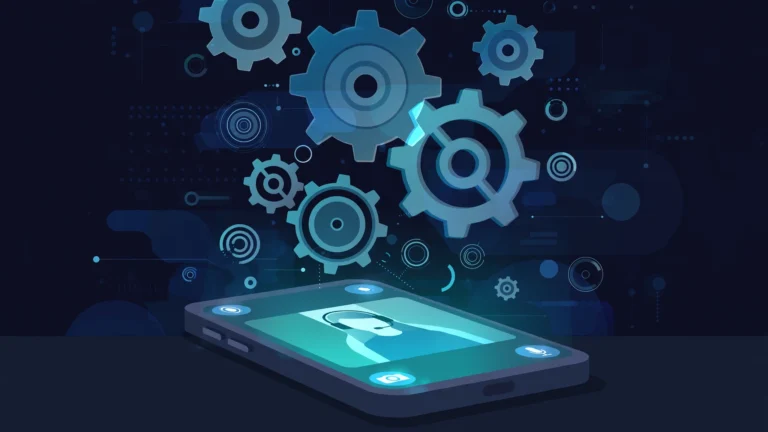
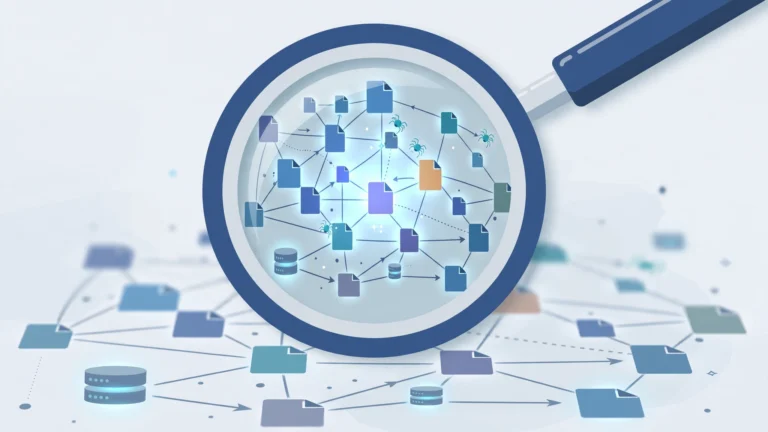
In an era where data is generated at an unprecedented scale, the traditional model of sending every piece of information to a centralized cloud server is becoming a bottleneck. As businesses strive for real-time responsiveness and lower latency, edge computing has emerged as the definitive solution. By processing data closer to its source—whether that is a smart sensor, a mobile device, or a factory machine—edge computing is transforming how we build digital infrastructure, making it faster, more reliable, and significantly more efficient.
Understanding the Basics of Edge Computing
What is Edge Computing?
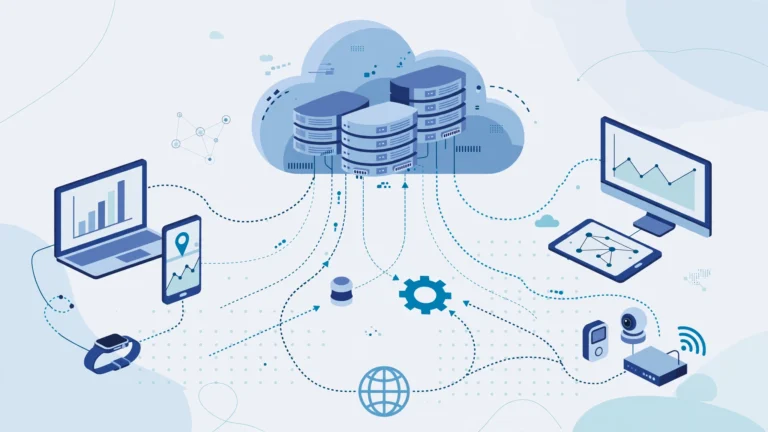
Edge computing is a distributed computing framework that brings enterprise applications closer to data sources. Instead of relying on a distant data center, processing happens at the “edge” of the network. This proximity reduces the distance data must travel, which inherently improves speed and reduces bandwidth consumption.
The Shift from Cloud to Edge
While the cloud remains essential for long-term storage and heavy-duty data analytics, it is often too slow for time-sensitive tasks. Edge computing acts as a decentralized extension of the cloud, handling immediate actions while offloading only necessary data to the cloud for deeper analysis.
Key Benefits of Implementing Edge Architecture
Reduced Latency
By shortening the physical distance between the data source and the processor, edge computing significantly reduces latency. For industries like autonomous driving or remote surgery, where milliseconds matter, this speed is a literal life-saver.
Bandwidth Optimization
Sending massive amounts of raw data to a centralized server can congest network pipes and increase costs. Edge devices filter and process data locally, transmitting only the most critical information to the cloud. Key advantages include:
- Lower data transmission costs for high-bandwidth applications.
- Reduced strain on enterprise network infrastructure.
- More efficient utilization of available bandwidth.
Enhanced Data Security and Privacy
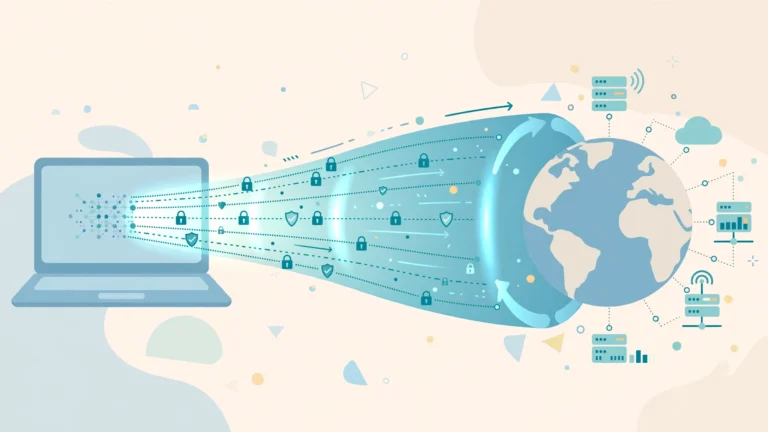
Data stored locally is less vulnerable to intercept during transit. Organizations can implement localized security protocols, ensuring that sensitive information remains within the local network perimeter, which is a major advantage for compliance with regulations like GDPR or HIPAA.
Real-World Applications of Edge Computing
Industrial IoT (IIoT)
In manufacturing, edge computing enables predictive maintenance. Sensors on factory equipment monitor vibrations and heat, processing this data instantly to detect anomalies before a machine fails. This reduces downtime and maintenance costs.
Autonomous Vehicles
Self-driving cars cannot wait for a cloud server to make a decision about braking or steering. They rely on edge computing to process real-time input from cameras, LiDAR, and radar to navigate safely in split-second scenarios.
Smart Cities and Healthcare
Cities use edge technology to manage traffic signals based on real-time flow data, while healthcare providers use it for wearable devices that monitor patient vitals, sending alerts only when a threshold is breached.
Challenges and Considerations for Deployment
Infrastructure Complexity
Deploying edge solutions involves managing a large number of geographically distributed devices. This increases the complexity of hardware maintenance, software updates, and remote monitoring.
Security Vulnerabilities
While edge computing offers localized privacy, it also expands the attack surface. Each “edge” device is an entry point. Effective strategies include:
- Implementing robust hardware-based root of trust.
- Using end-to-end encryption for all data communication.
- Regularly patching firmware across the entire device fleet.
The Future Landscape: Edge and AI Convergence
Artificial Intelligence at the Edge
The marriage of AI and edge computing—often called Edge AI—is the next frontier. It allows devices to perform complex machine learning inferences locally without internet connectivity. This turns “dumb” sensors into intelligent devices that can learn and adapt to their environments autonomously.
Market Trends
Industry reports suggest that by 2025, over 75% of enterprise-generated data will be created and processed at the edge. Businesses that begin adopting this architecture today will have a distinct competitive advantage in agility and operational efficiency.
Conclusion
Edge computing is more than just a passing technological trend; it is a fundamental shift in how the digital world manages information. By decentralizing data processing, organizations can unlock new levels of speed, security, and efficiency. Whether you are managing industrial machinery, developing the next generation of mobile apps, or optimizing urban infrastructure, integrating edge computing into your IT strategy is essential for staying relevant in a data-driven future. The key to success lies in choosing the right balance between edge and cloud to ensure your infrastructure is scalable, secure, and ready to meet the demands of tomorrow.