Beyond Syntax: Architecting Meaning In Machine Prose
In the rapidly evolving landscape of artificial intelligence, text generation has emerged as a transformative force, fundamentally reshaping how we create, consume, and interact with digital content. From drafting complex code and creative stories to summarizing dense technical reports in seconds, generative AI models have transitioned from experimental novelties to indispensable professional tools. Understanding the mechanics, capabilities, and strategic applications of these systems is no longer just for developers—it is a critical competency for modern businesses and content creators alike.
The Evolution and Mechanics of Text Generation
How Large Language Models (LLMs) Function
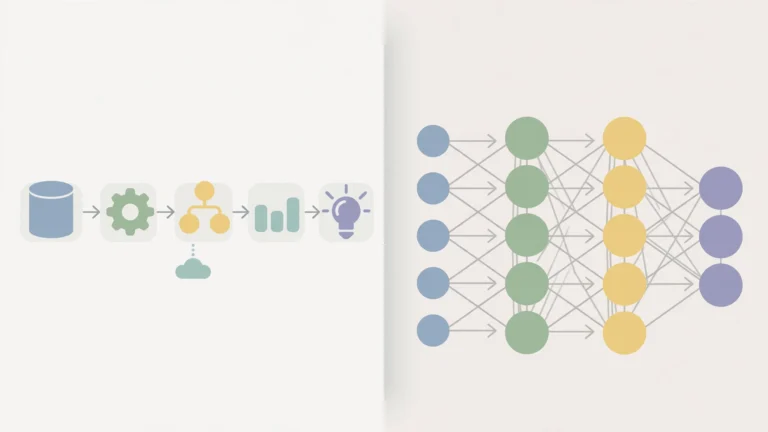
Modern text generation is primarily powered by Large Language Models (LLMs) built on the Transformer architecture. These models function by predicting the next token in a sequence based on vast amounts of training data. Key aspects include:
- Training Data: Models ingest terabytes of text from diverse sources, including books, websites, and code repositories.
- Attention Mechanisms: This allows the model to “weigh” the importance of different words in a sentence, capturing context and nuance effectively.
- Probability Distributions: Instead of retrieving stored information, the model calculates the mathematical likelihood of which word should come next.
The Shift from Rule-Based to Generative AI
Unlike early chatbot technology that relied on rigid, human-authored scripts, contemporary AI utilizes generative capabilities to handle unforeseen inputs. This provides users with more fluid, natural, and context-aware interactions.
Key Applications in Modern Business
Content Creation and Marketing
Marketing teams utilize text generation to scale production without sacrificing quality. Common applications include:
- Drafting blog posts: Generating outlines and initial drafts for SEO-optimized articles.
- Social Media Copy: Producing multiple variations of ad copy to conduct A/B testing.
- Email Automation: Crafting personalized outreach messages that feel human-centric.
Customer Support and Knowledge Management
AI-driven text generation serves as the backbone for intelligent virtual assistants. By integrating internal documentation into a RAG (Retrieval-Augmented Generation) framework, companies can provide instant, accurate answers to customer queries, significantly reducing response times.
Best Practices for Effective Prompt Engineering
The Art of Contextual Framing
The output quality of any generative model is inextricably linked to the quality of the input—or “prompt.” To maximize success, follow these steps:
- Assign a Persona: Tell the AI who it should be (e.g., “Act as an expert SEO strategist”).
- Provide Context: Explain the target audience and the goal of the piece.
- Define Constraints: Set word counts, tone of voice, and formatting requirements (e.g., “Write in bullet points,” “Keep it under 300 words”).
Iterative Refinement
Rarely does the first output meet every requirement. Treat text generation as a collaborative process where you refine the results by providing follow-up instructions or asking the model to adjust specific sections for clarity or tone.
Navigating Ethical Considerations and Accuracy
Addressing Hallucinations
A significant challenge in text generation is the tendency for models to occasionally produce “hallucinations”—confidently stated but factually incorrect information. Users must:
- Verify facts: Always cross-reference data-heavy claims with reliable sources.
- Use Human-in-the-Loop (HITL) workflows: Human editors should always oversee final content to ensure accuracy and brand alignment.
- Leverage Citation: Where possible, use tools that provide source links to verify the provenance of information.
Bias and Data Privacy
AI models reflect the biases present in their training data. Responsible usage requires active monitoring for inclusive language and ensuring that sensitive or proprietary corporate data is never entered into public-facing generative models.
Future Trends in Automated Writing
Multimodal Generation
We are moving toward a future where text generation is integrated with image, video, and audio synthesis. Imagine a workflow where an AI generates a video script and simultaneously produces the storyboard images and background narration, streamlining the production pipeline for creative agencies.
Increased Personalization at Scale
Future iterations will allow for deeper integration with individual user data (with proper privacy controls), enabling the generation of hyper-personalized communications that are tailored to the specific historical preferences and pain points of individual customers.
Conclusion
Text generation is an incredibly powerful tool that, when harnessed correctly, acts as a force multiplier for human productivity and creativity. By understanding how to effectively prompt these models, verifying their output for accuracy, and maintaining a critical eye toward ethical deployment, organizations can unlock new levels of efficiency. As the technology matures, the competitive advantage will go to those who learn to view AI not as a replacement for human intellect, but as an essential partner in the pursuit of high-quality content and communication.