Generative AI can feel magical the first time you use it. You type a sentence, and the system writes a poem, draws a product mock-up, summarizes a report, or drafts code. The result appears creative, but the process underneath is mathematical rather than mysterious. This guide offers generative ai explained in plain English: what these models learn, how they produce new material, where they are genuinely useful, and where human judgment remains essential.
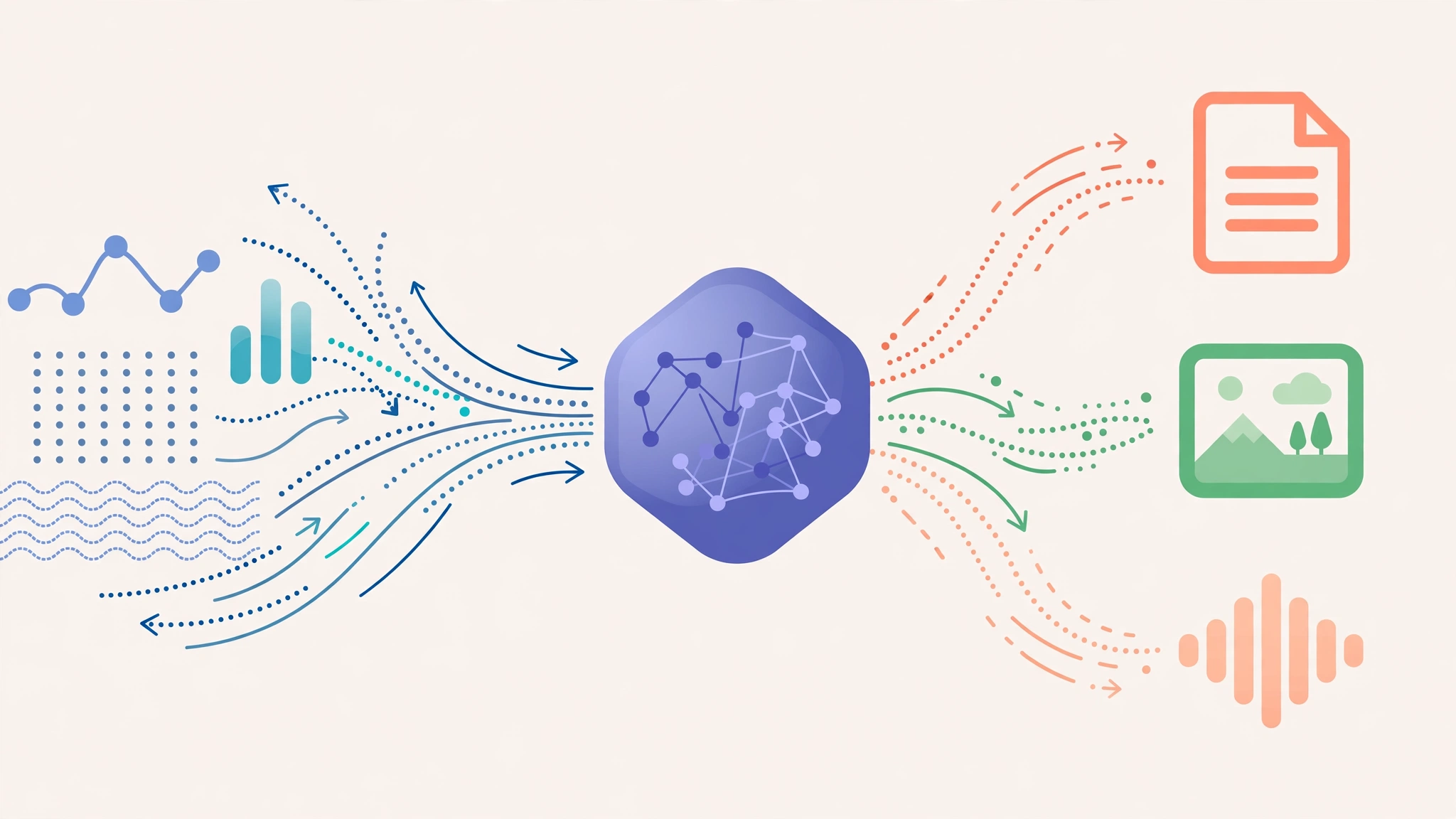
The key idea is prediction. A generative model studies huge numbers of examples and learns patterns in language, images, sound, or code. When you give it a prompt, it does not look up a finished answer in a database. It generates a new response, one piece at a time, based on what is statistically likely and contextually appropriate. That is why the same tool can be impressive, helpful, and occasionally wrong in the same conversation.
What Makes AI “Generative”?
Traditional software follows explicit instructions: if this happens, do that. Many older AI systems were also mainly classifiers. They could label an email as spam, recognize a face, or predict whether a loan might default. Generative AI goes a step further by producing new content. It can write paragraphs, compose melodies, create images, generate video frames, or propose molecule structures for research.
Generation is not the same as understanding
A model can produce a convincing explanation of photosynthesis without understanding plants the way a biologist does. It has learned relationships between words and concepts from data. That learned pattern can be extremely useful, but it is not lived experience, intention, or guaranteed truth. Keeping this distinction in mind prevents two common mistakes: dismissing generative AI as a toy, or trusting it as an oracle.
Models, prompts, and outputs
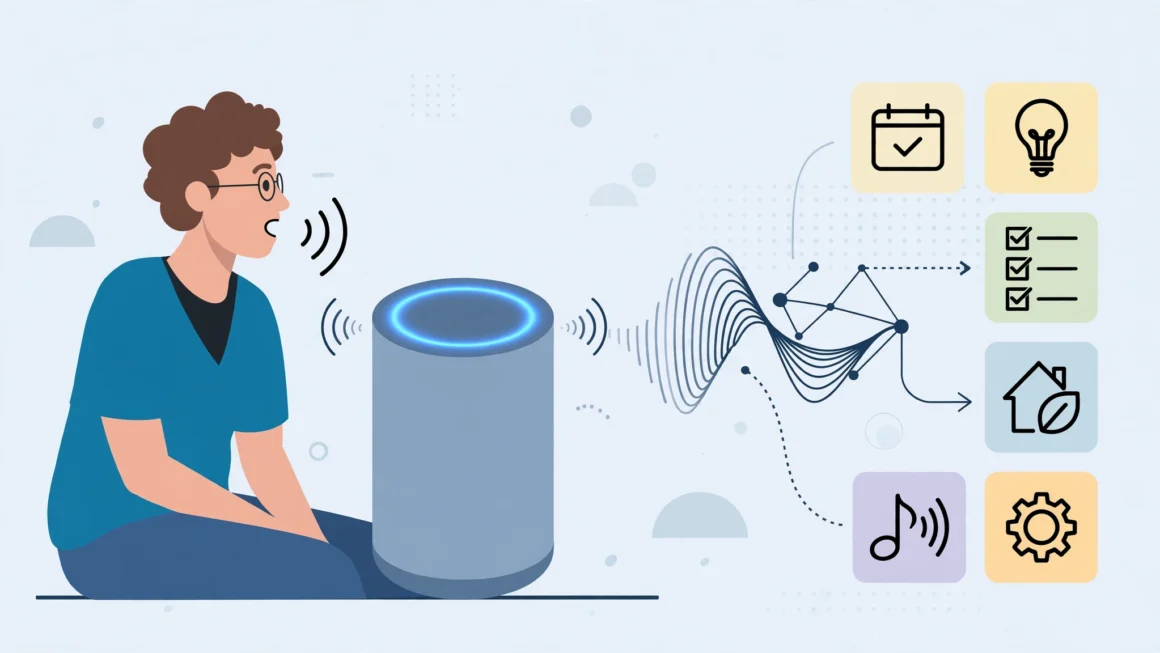
Three terms explain most products. The model is the trained system. The prompt is your instruction or input. The output is what the model generates. Better prompts usually produce better outputs because they give the model clearer constraints: audience, tone, format, length, examples, and purpose. In practice, using generative AI is less like pressing a magic button and more like briefing a fast assistant who needs direction and review.
How Generative Models Learn
Training begins with data: books, articles, websites, images with captions, audio transcripts, code repositories, and many other sources depending on the model. During training, the system repeatedly makes predictions and adjusts internal values when it is wrong. Over billions of examples, those adjustments create a network of patterns often called parameters or weights.
Tokens and patterns in language models
Large language models break text into tokens, which may be words, word pieces, or punctuation. The model learns which tokens tend to follow others in different contexts. When generating, it predicts the next token, adds it, and repeats. This sounds simple, but at large scale it can capture grammar, facts, style, reasoning patterns, and relationships between ideas. It can also capture errors and biases present in the data.
Images, audio, and multimodal systems
Image generators learn relationships between visual features and descriptions. Many modern systems use diffusion, starting from noise and gradually shaping it toward an image that matches a prompt. Audio models learn patterns in speech or music. Multimodal models connect several types of input, so they can describe a photo, answer questions about a chart, or turn a sketch and a sentence into a more polished design. The interface feels unified, but several specialized processes may be working together.
Why the Results Feel Creative
Generative AI can combine ideas in ways that surprise us. Ask for a lesson plan in the style of a detective story, a logo inspired by ocean waves, or a business email that is firm but kind. The model blends patterns from different domains and produces something new enough to feel original. For brainstorming, that recombination is valuable because it widens the option space quickly.
Creativity with constraints
Human creators rarely start from total freedom. They work within a brief, a genre, a budget, a deadline, and a purpose. Generative AI is most useful under the same conditions. Tell it who the work is for, what it must include, what it must avoid, and how success will be judged. Then treat the first output as raw material. Edit, select, combine, and discard. The creative value often comes from the human choices around the machine’s speed.
Speed changes the workflow
Before generative AI, producing ten draft headlines might take an hour. Now it can take a minute. That speed does not remove the need for taste; it increases it. When drafts are cheap, the scarce skills become framing the problem, recognizing quality, verifying facts, and making the final version coherent. This is similar to how AI automation for small businesses saves time on routine production while owners still decide strategy, standards, and customer promises.
Where Generative AI Helps Most
The best uses share a pattern: the task involves language, patterns, drafts, variations, or summaries, and a human can review the result. Writing assistance is an obvious example. AI can outline an article, simplify a policy, translate a message, or adapt one piece of content for different audiences. In customer support, it can draft replies from approved knowledge. In software, it can suggest code, explain errors, and generate tests.
Everyday productivity
For individuals, generative AI can summarize long documents, prepare meeting notes, create study questions, plan travel, or turn rough voice notes into organized lists. It is especially helpful when you know what good looks like but need help starting. A blank page is often the hardest part of knowledge work; a flawed draft can be easier to improve than nothing.
Professional and creative work
Designers use image models for mood boards and concept directions. Marketers test message variations. Researchers brainstorm hypotheses and search strategies. Teachers create examples at different reading levels. None of these uses should be confused with automatic expertise. The professional still owns the final claim, image, lesson, or recommendation. Generative AI expands the draft space; accountable people narrow it responsibly.
Limits You Should Know Before You Rely on It
Generative AI can produce false statements with confident wording. This is often called hallucination, but the simpler description is that the model is generating plausible text, not checking a source of truth. It may invent citations, dates, product features, or legal rules. Any output that affects money, health, safety, law, or reputation needs verification from reliable sources.
Bias, copyright, and privacy
Models learn from human material, so they can reproduce stereotypes or uneven representation. Generated content can also resemble existing creative work, raising copyright and ownership questions that vary by place and use case. Privacy is another concern: do not paste confidential documents, personal data, passwords, or trade secrets into tools unless you understand how that service stores and uses inputs. Convenience is not a security policy.
Inconsistency and shallow reasoning
Ask the same question twice and you may get different answers. Ask a long chain of reasoning questions and the model may lose track of a condition you set earlier. It can also produce generic work that sounds polished but says little. The cure is process: give source material, require structure, ask for alternatives, check calculations separately, and revise with specific feedback rather than accepting the first fluent answer.
How to Get Better Results
Good prompting is mostly good communication. Start by naming the task and audience. Add context, constraints, and an example of the style you want. If the output matters, ask the model to show steps, identify assumptions, or list what it is unsure about. Then verify those uncertain points yourself.
A simple prompt formula
- Role: “Act as a patient tutor for beginners.”
- Task: “Explain this concept and give two examples.”
- Context: “The reader knows basic computer terms but no statistics.”
- Format: “Use short headings and a five-bullet summary.”
- Limits: “Avoid jargon, and flag anything that needs checking.”
Iteration matters more than a perfect first prompt. If the answer is too broad, narrow it. If it is too formal, ask for a warmer tone. If it misses the point, paste back the part that matters and explain the gap. Treat the exchange like working with a collaborator who is fast, literal, and not responsible for the final decision.
Why Generative AI Improved So Quickly
Generative systems existed for years before they became everyday products. The recent leap came from several advances arriving together: larger datasets, more computing power, better model architectures, and interfaces that let non-specialists use the technology through ordinary language. The transformer architecture, introduced for language tasks, proved especially effective at weighing context across long passages. That made models better at following instructions, maintaining topic, and handling varied requests.
Fine-tuning and feedback shape behaviour
After initial training, many models go through additional steps that make them more helpful and safer to use. They may be fine-tuned on examples of good responses, tested against harmful requests, and adjusted using human feedback about which answers are clearer or more appropriate. These steps do not give the model perfect judgment, but they influence tone, refusal behaviour, formatting, and how it handles uncertainty. Two products built on similar base technology can feel very different because of this extra shaping.
Tools and retrieval add reliability
Modern assistants increasingly connect to external tools. They may search the web, run code, read files you provide, call a calculator, or retrieve passages from a trusted knowledge base before answering. This matters because generation alone is not the best way to handle every task. A calculator is better at arithmetic. A database is better at exact records. A cited source is better for a current fact. The strongest systems combine generation with retrieval and tools, then present the result in natural language.
For beginners, this means you should ask what a product is actually doing. Is it answering only from training, reading documents you supplied, browsing current sources, or using a mixture? The answer affects how much verification you need. A poem needs taste. A medical summary, contract explanation, or market claim needs sources and professional review. Understanding the pipeline behind the friendly chat box helps you choose the right level of trust.
Frequently Asked Questions
Is generative AI the same as general intelligence?
No. Generative AI systems are powerful pattern models trained for particular kinds of tasks. They can perform impressively across many topics, but they do not have human consciousness, goals, or reliable common sense. Calling them intelligent can be useful shorthand, but it should not hide their limits or the need for oversight.
Can generative AI create truly original work?
It can create new combinations that did not exist in exactly that form before. Whether that counts as original in an artistic or legal sense depends on context, human contribution, and local rules. The safest view is practical: use it as a creative tool, add meaningful human direction and editing, and respect the rights of other creators.
What is the safest way for a beginner to start?
Start with low-risk tasks: summaries of your own notes, brainstorming, rewriting for clarity, study help, and draft outlines. Practise giving clear prompts and checking outputs. Avoid entering sensitive information, and do not publish factual claims, advice, or business decisions without reviewing them against trustworthy sources.
The Bottom Line
Generative AI creates by predicting patterns learned from enormous amounts of data. That simple mechanism can produce useful drafts, images, explanations, and ideas at remarkable speed. Its fluency is not proof of truth, and its novelty is not a substitute for judgment. Learn how it works, prompt it clearly, verify what matters, and use it to amplify human creativity rather than outsource responsibility. That balanced approach turns an impressive technology into a dependable tool.