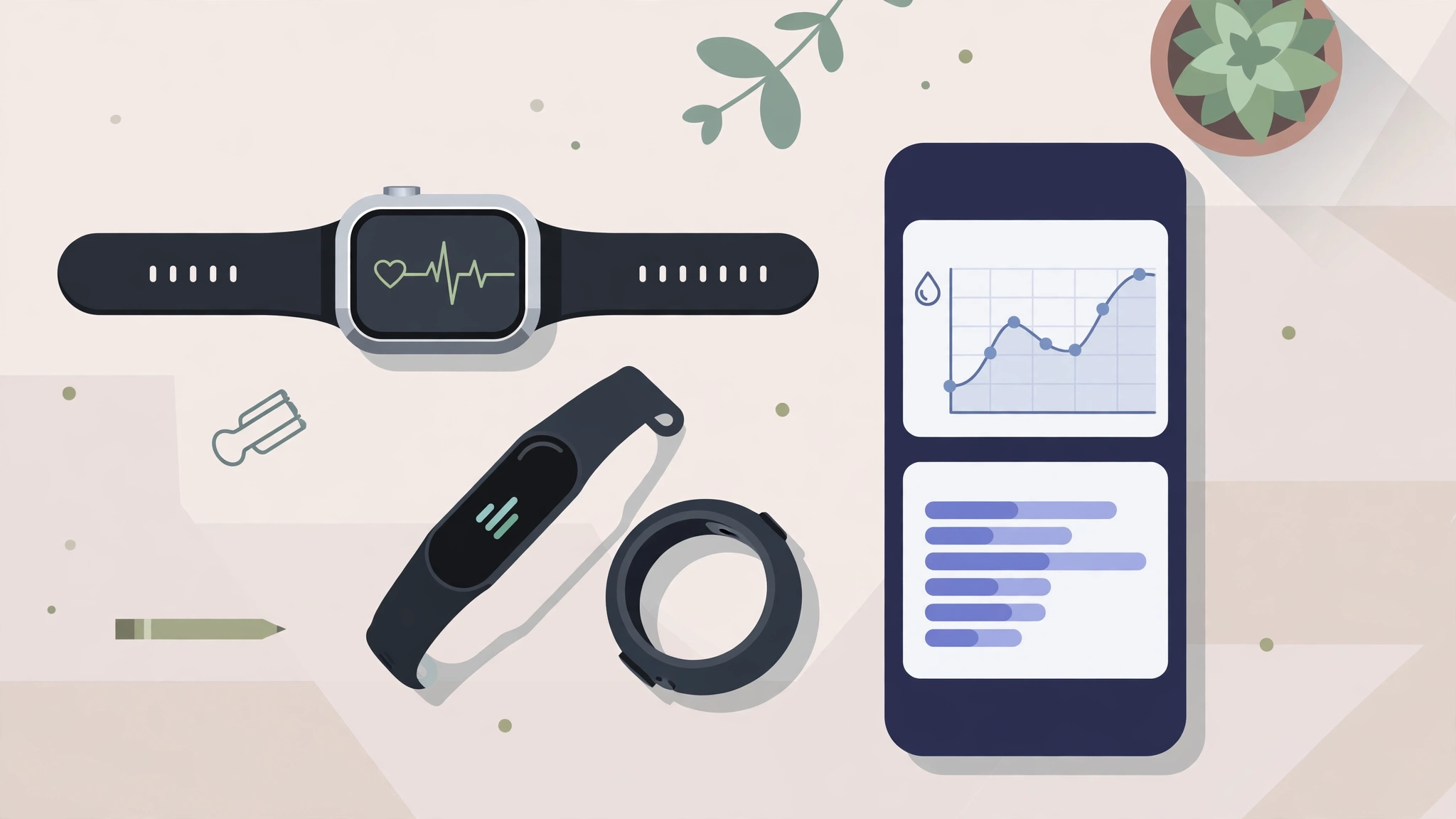
Not long ago, the most advanced thing most of us wore was a watch that simply told the time. Today, wrists, fingers, and even ears carry sensors that count steps, track sleep, measure heart rate, and warn about health problems before symptoms appear. Wearable technology has quietly become one of the most personal branches of consumer tech, and it is still growing fast. This guide explains the main types of wearables, how their sensors actually work, what the health data they produce really means, and how to choose a device that fits your life rather than gathering dust in a drawer.
The Main Types of Wearables
Wearables come in several shapes, each trading features, battery life, and comfort in a different way. Knowing the categories makes choosing far easier.
Smartwatches
The smartwatch is the flagship wearable: a small computer with a touchscreen, apps, and notifications, worn on the wrist. Leading models from Apple, Samsung, and Google handle calls, messages, contactless payments, music, and navigation, alongside deep health tracking. They are the most capable wearables and the most demanding, typically needing a charge every one to two days, although some outdoor-focused models stretch to a week or more. If you want one device that does almost everything, including replacing your phone for short trips out, a smartwatch is the obvious pick.
Fitness Trackers and Smart Rings
Fitness bands strip the idea back to the essentials: steps, heart rate, sleep, and workouts in a slim, light strap with a battery that lasts one to two weeks. They suit people who want health data without another glowing screen demanding attention. Smart rings take discretion further. Packed into a band of titanium are sensors that track sleep, recovery, heart rate, and temperature from your finger, where blood flow makes readings especially stable overnight. Rings have no screen and no buzzing notifications, which is exactly their appeal, although most require a subscription app to unlock the full analysis of your data.
Everything Else: Earbuds, Glasses, and Clothing
The category keeps spreading. Wireless earbuds now measure heart rate and can work as basic hearing aids. Smart glasses add cameras, speakers, and AI assistants to ordinary-looking frames. Sensors woven into clothing track breathing and muscle effort for athletes, while continuous glucose monitors, worn as small patches, have moved from diabetes care into the wider wellness market. Not every experiment succeeds, but the direction is clear: technology is moving from devices we carry to devices we wear without thinking about them.
How Wearables Actually Measure Your Body
Most wearables rely on a small set of sensors working together. The green lights flashing on the back of your watch are the best known. They shine into your skin and measure how much light is reflected back by blood flowing beneath it, a technique called photoplethysmography. From the rhythm of that reflection, the device calculates heart rate, and from subtle variations it estimates heart rate variability, blood oxygen levels, and even breathing rate during sleep.
Motion, Temperature, and Electrical Signals
An accelerometer and gyroscope track movement in three dimensions, letting the device count steps, recognise activities such as running, swimming, or cycling, detect falls, and figure out when you are asleep. Skin temperature sensors spot trends that can hint at illness, strain, or, for many women, phases of the menstrual cycle. Higher-end watches add an electrical heart sensor for single-lead ECG readings, which can flag signs of atrial fibrillation, a common irregular heartbeat. None of these sensors reads your body directly like hospital equipment. They estimate, using algorithms trained on large datasets, which is why the trends they show over weeks are far more trustworthy than any single reading.
From Raw Data to a Score
The numbers you actually see — sleep score, readiness score, stress level, calories burned — are computed, not measured. Software combines heart rate, movement, temperature, and your history into a single digestible figure. Systems built with AI automation do the heavy lifting here, spotting patterns across millions of nights of anonymised data and learning what a normal week looks like for you personally. This is genuinely useful when it nudges you to rest after several poor nights, and less useful when a single bad score ruins your morning. Treat scores as a compass, not a verdict.
What Wearables Are Actually Good For
The strongest case for wearables is not elite sport; it is everyday awareness. People consistently say that simply seeing their step count makes them walk more, and research on activity trackers supports a modest but real increase in daily movement. Sleep tracking is the second big win. Many owners are shocked to see how irregular their sleep is, and the data gives them a concrete reason to fix bedtimes, cut late caffeine, and keep a cooler bedroom.
Health Warnings That Matter
Wearables have also earned a serious medical role. Watches have alerted wearers to dangerously high or low heart rates, detected hard falls and called emergency services automatically, and flagged possible atrial fibrillation early enough for doctors to confirm and treat it. Sleep apnoea notifications, blood oxygen trends, and glucose data from paired monitors extend that safety net further. These features do not make a wearable a medical device in most cases, and they are not a substitute for a doctor, but as an always-on early warning system they have genuinely saved lives.
Performance and Everyday Convenience
For runners, cyclists, and swimmers, wearables have replaced a bag of separate gadgets: GPS tracks routes and pace, heart rate zones guide training, and recovery metrics help balance hard days with easy ones. Away from health, the daily conveniences add up too — tapping your wrist to pay, unlocking doors, checking a message in a meeting, or finding a lost phone. The best wearable is the one whose mix of these features matches habits you already have.
The Downsides: Accuracy, Privacy, and Battery Life
Honesty matters here. Calorie estimates can be off by 20 percent or more, step counts drift when you push a trolley or pram, and sleep stages are educated guesses compared with a sleep laboratory. Optical heart rate sensors can struggle during high-intensity exercise and on darker skin or tattooed wrists, although the technology improves every generation. Use wearables for trends and comparisons with yourself, not as absolute truth.
Your Health Data Is Sensitive
A wearable collects some of the most intimate data that exists: where you go, when you sleep, how your heart behaves, and in some cases fertility information. Before buying, check what the manufacturer does with that data, whether it is sold or shared with advertisers, and what controls you have to export or delete it. Prefer companies with clear policies, on-device processing where possible, and strong account security, and think twice before connecting health apps you do not fully trust. Battery life is the final trade-off: the smarter the device, the more often it charges, and a watch on a charger tracks nothing.
How to Choose the Right Wearable
Start with your main goal. If it is general health and sleep with zero fuss, a ring or a simple band wins. If you want notifications, payments, apps, and detailed workouts, choose a smartwatch, and match it to your phone: Apple Watch works only with iPhone, while most other brands pair best with Android. Check the basics before falling for headline features: water resistance for swimmers, GPS accuracy for runners, battery life that fits your routine, and a strap that is comfortable enough to sleep in if you want sleep data. Finally, add up the true cost, including any subscription needed to unlock your own health insights, because a cheap device with a mandatory monthly fee may cost more over two years than a pricier rival.
Where Wearables Are Heading Next
The next generation of wearables is focused less on adding screens and more on disappearing. Battery life is the industry’s biggest engineering battle, and new chip designs, brighter but more efficient displays, and smarter sensors that only wake when needed are steadily stretching days into weeks. Expect rings, bands, and watches to keep shrinking their charging demands while quietly adding sensors: blood pressure estimation is the industry’s most wanted feature, and non-invasive blood glucose tracking remains the holy grail that every major manufacturer is chasing, even if a reliable version is still some years away.
Smarter Coaching, Not Just More Data
The software shift may matter more than the hardware. Early wearables dumped charts on you and left the interpretation to you. The newest devices act more like coaches, explaining in plain language why your readiness is low, suggesting an earlier bedtime or a lighter workout, and adjusting goals when you are ill or travelling. Voice assistants built into watches, rings, and glasses let you ask questions about your own health trends out loud and get a conversational answer. For older adults, fall detection, emergency calling, medication reminders, and location sharing are turning wearables into independence tools that help people live safely at home for longer. In workplaces, discreet wearables are appearing for safety, warning staff about fatigue, heat stress, and dangerous proximity to machinery.
What to Watch Out For
Growth brings familiar technology problems. Subscription creep is real, as more brands lock analysis of your own data behind monthly fees. Standards are still fragmented, so health data does not always move cleanly between brands when you switch devices. And as sensors multiply, so does the sensitivity of what is collected, making the privacy questions in this guide more important every year, not less. The winners will be the devices that respect your attention and your data while lasting a week on a charge.
Frequently Asked Questions
How accurate are fitness trackers and smartwatches?
They are good at trends and comparisons: step counts, resting heart rate, and sleep duration are generally reliable enough to guide habits. They are weaker on exact calorie burn and detailed sleep stages, where errors of 10 to 25 percent are common. For medical decisions, always confirm with proper medical equipment and a professional.
Do I need a subscription for a smart ring or tracker?
It depends on the brand. Some rings and trackers show basic data free but charge monthly for deeper analysis, trends, and coaching. Others include everything in the purchase price. Check before you buy, and factor two years of subscription into the real cost of the device.
Can a smartwatch really detect health problems?
It can flag warning signs, including irregular heart rhythms consistent with atrial fibrillation, unusually high or low heart rate, hard falls, and possible sleep apnoea. These alerts have led many people to diagnoses they would otherwise have missed. A wearable cannot diagnose you, though; treat any alert as a prompt to see a doctor, not as a conclusion.
The Bottom Line
Wearable technology works best as a quiet coach: it watches your steps, sleep, and heart in the background and turns the patterns into nudges you can act on. Choose the form you will actually wear every day, read the trends rather than obsessing over single numbers, and keep an eye on your privacy settings. Do that, and a small device on your wrist or finger can genuinely change how well you understand your own body. Start with one clear goal — better sleep, more movement, or smarter training — give the data a full month to become truly meaningful, and let small, steady changes do the rest for you.