The smartphone has been the center of personal technology for over fifteen years, and for the last several of those years, each new model has felt like a slightly polished version of the last. It is fair to ask whether the magic is over. The honest answer is no — but the change is shifting location. The future of smartphones is less about the rectangle itself and more about intelligence, new shapes, new networks, and the phone’s role as the hub of everything else you wear and use. Here is a realistic tour of what is coming, sorted by how close it actually is.
Already Here: The Near Future (Next 1–3 Years)
On-Device AI Becomes the Main Event
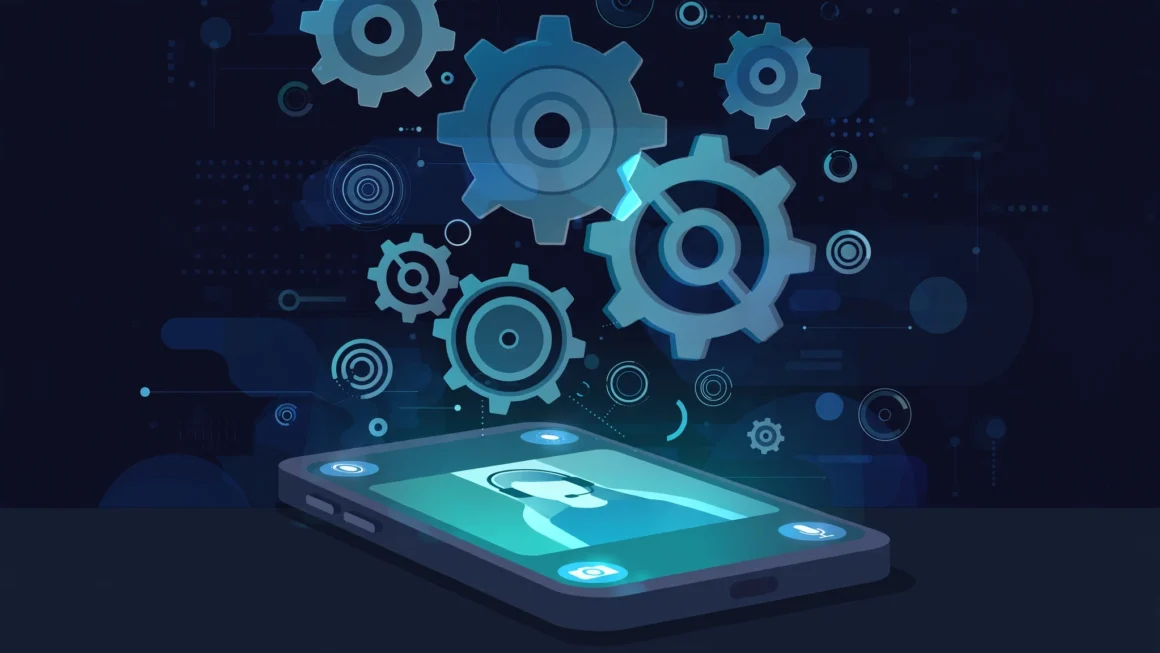
The biggest shift underway is artificial intelligence moving from the cloud into the phone itself. Modern chips now include dedicated neural processors that can summarize your messages, translate calls live, edit photos, draft replies, and answer questions about what is on your screen — without sending your data anywhere. On-device AI is faster, works offline, and is far more private. Expect assistants to evolve from voice-command novelties into proactive helpers that understand context across your apps, a trend closely tied to advances across the wider artificial intelligence field.
Foldables Grow Up
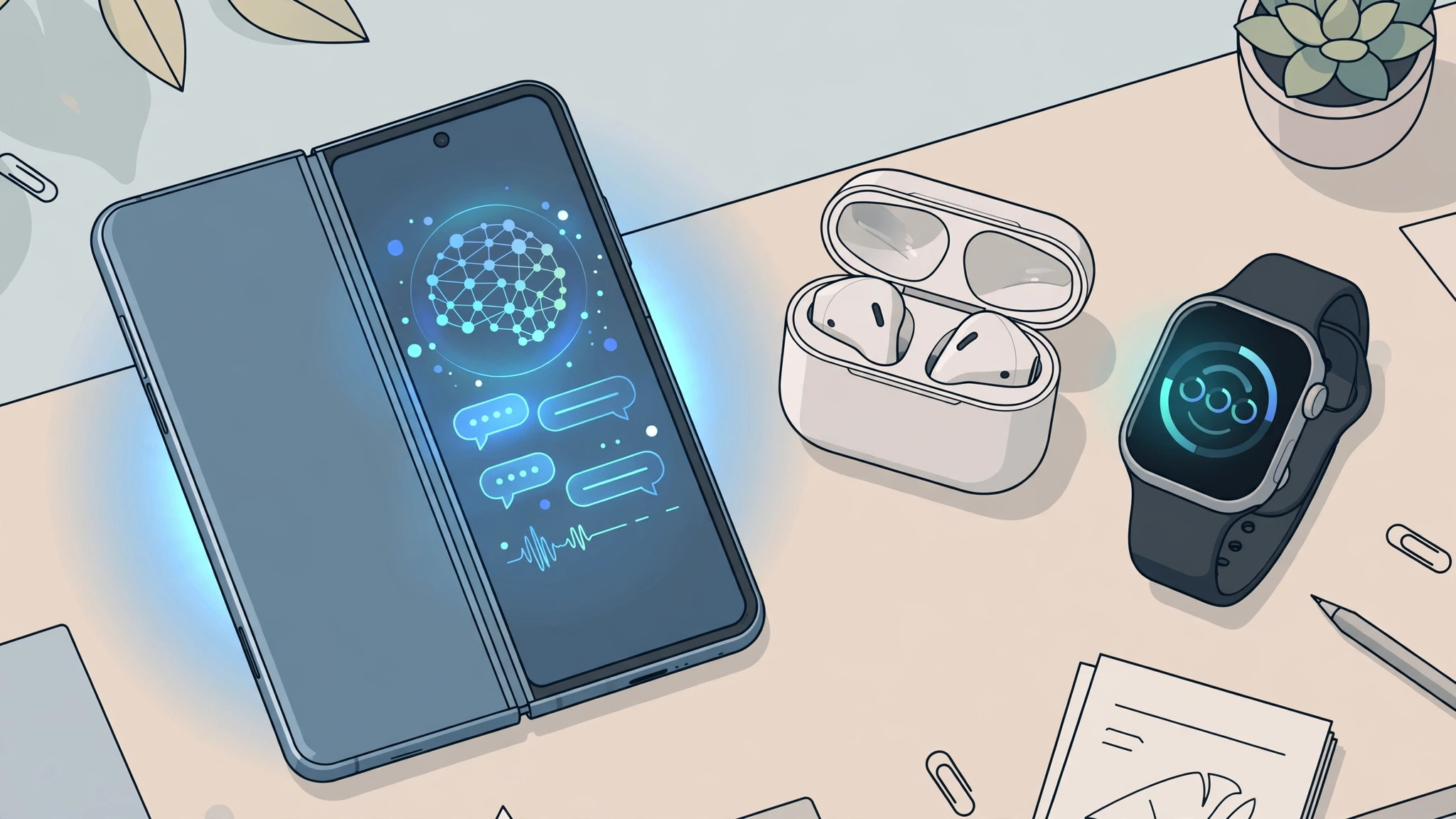
Foldable phones have moved from fragile experiments to durable mainstream options. Hinges are thinner, creases less visible, prices slowly falling. The two surviving shapes — book-style folds that open into small tablets, and flip phones that fold down to half size — solve real problems: a bigger screen when you want one, a smaller object in your pocket when you don’t. They will not replace the classic slab for everyone, but they are no longer a gimmick.
Cameras Keep Cheating Physics
Phone cameras cannot grow much bigger lenses, so they grow smarter instead. Computational photography — merging many exposures, using AI to reconstruct detail, cleaning noise in near darkness — will keep closing the gap with dedicated cameras. Periscope zoom lenses are spreading from flagships to mid-range phones, and video stabilization and low-light video are improving fastest of all.
Batteries Finally Move
After a decade of stagnation, battery technology is stirring. Silicon-carbon batteries, already shipping in some phones, pack noticeably more capacity into the same space. Charging speeds keep climbing — full charges in well under half an hour are now real on some models — and efficiency gains from better chips add hours without any new chemistry at all.
The Middle Distance (3–5 Years)
Satellite Connectivity as Standard
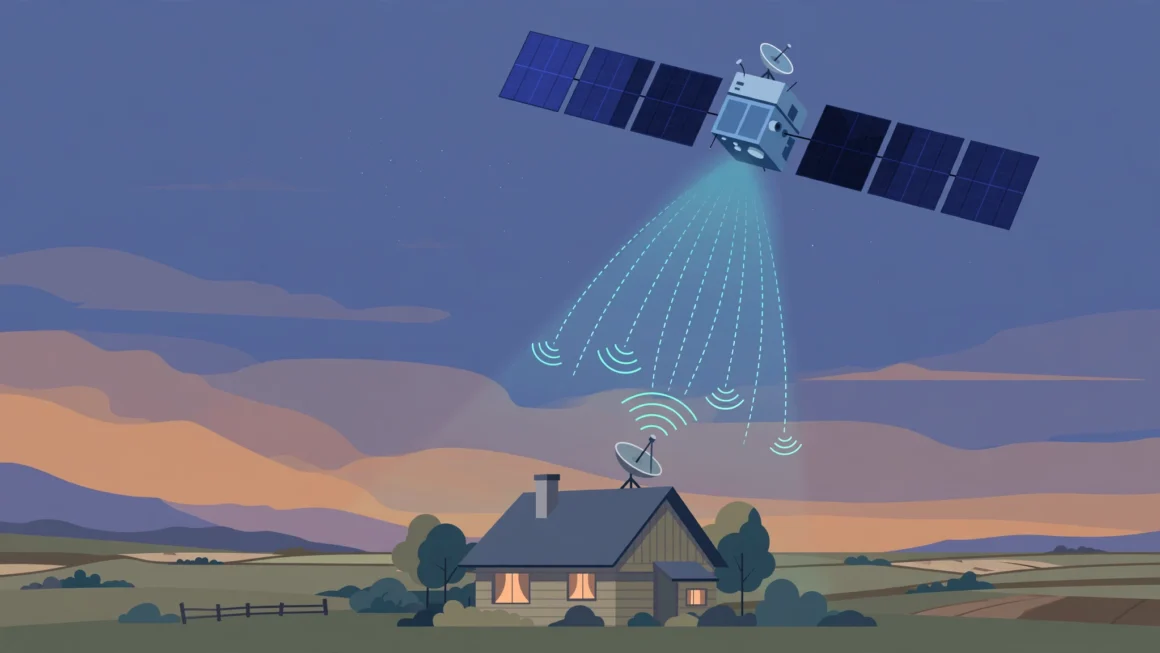
Emergency satellite texting, once a headline feature, is spreading across brands and price tiers. The trajectory points toward ordinary messaging — and eventually limited data — anywhere on Earth with a view of the sky. For hikers, sailors, and rural users, the phone becomes a safety device first and a gadget second. Dead zones will not vanish, but they will shrink dramatically.
The Phone as the Hub of Your Wearables
Smartwatches, earbuds, rings, and smart glasses increasingly do the sensing and displaying, while the phone does the heavy computing and holds the connection. Glasses are the one to watch: today’s versions handle audio, cameras, and AI assistants; display-equipped models are improving each generation. The phone may spend more time in your pocket while remaining the brain of the outfit — similar to how AI automation quietly coordinates tools behind the scenes in modern workplaces.
Rollables and New Shapes
Beyond folding, manufacturers are demonstrating rollable screens that extend from the side, tri-fold designs, and modular concepts. History suggests most experiments will fail and one or two will stick. The safe bet is diversity: the single universal rectangle is giving way to a family of shapes for different jobs.
eSIM Everywhere and the Death of the Tray
Embedded SIMs are replacing physical cards in more markets each year. Benefits include easier carrier switching, better water resistance, and dual numbers without extra slots. Travelers gain most: buying a local data plan becomes a two-minute app purchase instead of an airport errand.
The Longer View (5–10 Years)
6G and Ambient Connectivity
Research on 6G targets the early 2030s, promising not just faster speeds but networks that sense their environment and connect vastly more devices. For phones, the practical effect will be less about download records and more about seamlessness: connections that simply never feel like the bottleneck, anywhere.
New Battery Chemistry at Scale
Solid-state batteries — safer, denser, longer-lived — are the industry’s most pursued prize. Timelines have slipped before, so caution is warranted, but pilot production is real. If solid-state arrives at phone scale, expect thinner devices or multi-day battery life, and a genuine redesign of what a phone can be.
Ambient Computing: Does the Phone Survive?
The boldest prediction is that the phone dissolves into the environment: glasses for display, earbuds for audio, AI agents for action, and no single screen to stare at. Startups have tried screen-free AI devices already, with underwhelming results — a useful reminder that the smartphone’s combination of screen, camera, apps, and familiarity is extraordinarily hard to beat. The likeliest future is evolution, not disappearance: the phone becomes less visible but more central, orchestrating everything around you.
Sustainability Becomes a Selling Point
Longer software support — seven years of updates is now a flagship promise — recycled materials, repairable designs, and trade-in ecosystems are moving from marketing garnish to genuine competition. Regulators in several regions are mandating replaceable batteries and spare-parts availability, which will reshape designs worldwide.
What Probably Will Not Happen
- Holographic displays in your pocket: Demonstrated for decades, still impractical and unwanted by most users.
- Week-long flagship battery life next year: Gains are real but incremental; physics and thin designs set the pace.
- The total death of the smartphone: Every predicted replacement — wearables, voice assistants, AI pins — has so far become a companion to the phone instead.
- One global design winner: Slabs, folds, and flips will coexist, because pockets, budgets, and jobs differ.
What This Means for Your Next Purchase
You do not need to wait for the future to buy a good phone, but a few principles help. Prioritize long software support, since AI features and security updates now define a phone’s useful life more than raw speed. Buy the battery and camera, not the gimmick. If you keep phones for many years, repairability and update policy matter more than a marginal benchmark lead. And if foldables tempt you, today’s models are finally durable enough for normal life.
How AI Changes the Way You Use a Phone
It is worth pausing on the AI shift, because it alters the interface itself, not just the spec sheet. For thirty years, using a computer has meant hunting through apps: open the travel app, then the calendar, then messages, then maps, copying information between them by hand. AI agents invert that relationship. You state an outcome — “get me to the airport by nine, and let Ana know if I’m delayed” — and the phone coordinates the apps for you. Early versions of this exist today in assistant features that summarize notifications, screen calls with a natural voice, transcribe and translate conversations in real time, and find any photo from a plain-language description. The direction is unmistakable: fewer taps, less app-hopping, more delegation. The open questions are trust and privacy — an agent that acts for you needs deep access to your life — which is exactly why the industry is racing to run these models on the device rather than in the cloud.
The Business Behind the Future
Technology timelines are set by economics as much as engineering. People now keep phones for three or four years instead of two, so manufacturers hunt for reasons to upgrade you: AI features exclusive to new chips, foldable designs, camera leaps, and trade-in deals are all answers to the same problem. Services matter more each year — storage, music, fitness, and warranties sold through the phone generate steadier income than hardware alone — which is why your next phone will pitch subscriptions as eagerly as specifications. Meanwhile, competition from lower-priced brands keeps pushing flagship features downward: satellite messaging, high-refresh screens, and serious zoom cameras all began as premium exclusives and are becoming ordinary. For buyers, this is the best dynamic in the industry — yesterday’s luxury keeps becoming tomorrow’s standard.
Phones Around the World Will Diverge
The “future of the smartphone” will not arrive uniformly. In markets where a phone is a person’s only computer, priorities are battery life, durability, dual SIMs, and price — and innovation there means capable devices getting cheaper, plus satellite and offline AI features that compensate for patchy infrastructure. In wealthier markets, the frontier is wearables integration, premium materials, and experimental form factors. Regulation adds another split: some regions mandate replaceable batteries, standard charging ports, and longer parts availability, while others let manufacturers move faster with sealed designs. The result is not one future phone but several, tuned to different lives — all of them recognizably descendants of the device in your pocket today.
Health, Accessibility, and the Phone as a Medical Companion
One of the least flashy and most meaningful frontiers is health. Phones already count steps, track sleep through paired wearables, store medical records, and place emergency calls automatically after a crash or a hard fall. The next steps are more capable sensors and smarter interpretation: irregular-heart-rhythm alerts are established, while blood-pressure and glucose monitoring without needles remain active research goals that should be treated as promising, not promised. Accessibility is advancing alongside — live captions for any audio, voice control for every function, screen readers powered by AI that can describe the world through the camera for blind users. For millions of people, the future smartphone’s most important feature will not be its screen or its speed, but the independence it quietly provides.
Security and Identity: Your Phone as Your Keys
The phone is steadily absorbing the wallet and the keyring. Digital car keys, house keys, office badges, transit cards, and government IDs are migrating into secure hardware on the device, protected by biometrics and designed to keep working selectively even on a dying battery. Passkeys — cryptographic login credentials stored on and synced through your phone — are replacing passwords across major services, removing phishing’s favorite target. The trade-off is concentration: one device now holds your money, identity, messages, and keys, which makes strong device security, backups, and account recovery planning more important than they have ever been.
Frequently Asked Questions
Will smartphones be replaced by smart glasses?
Not soon. Glasses excel at quick glances, audio, and capturing moments, but they cannot match a phone’s screen, battery, typing, and app ecosystem. Expect glasses to become popular companions while the phone remains the hub for years to come.
What is the single biggest change coming to phones?
On-device AI. Assistants that understand your context, act across apps, and work privately without the cloud will change what a phone does more than any change to its shape.
Should I wait for 6G before upgrading?
No. 6G networks are years from commercial launch, and today’s 5G phones will serve well for a long time. Upgrade based on your current phone’s battery, condition, and update support — not on a network that does not exist yet.
The Bottom Line
The smartphone’s future is not a single dramatic reinvention but a steady migration: intelligence moves onto the device, screens learn to fold and roll, batteries inch toward breakthroughs, satellites erase the last dead zones, and the phone settles into its role as the quiet hub of your digital life. The rectangle is not dying. It is growing up — becoming less of a gadget you stare at and more of an assistant that works for you.