Walk into a modern online store and it can feel like the shopkeeper knows you: the homepage shows your sizes, the recommendations match your taste, and the out-of-stock frustration you remember from years ago has mostly vanished. That quiet competence is ai in retail at work. Retailers — from global marketplaces to single-location boutiques — now use artificial intelligence to predict what you want, keep shelves stocked, set prices, and answer questions at 3 a.m. This guide explains the main ways AI is reshaping shopping, what it means for you as a customer, and where the real limits and concerns lie.
What Does AI in Retail Actually Mean?
AI in retail is the use of machine learning and related technologies to make retail decisions faster and more accurately than manual methods allow. Instead of a buyer guessing how many umbrellas a store will sell next month, a forecasting model studies years of sales, weather patterns, local events, and trends, then produces a far better estimate. Instead of every visitor seeing the same homepage, a personalization engine arranges products for each individual.
The key shift is scale. A great human shopkeeper personalizes for dozens of regulars; an algorithm personalizes for millions of visitors simultaneously, and learns from every click. It also never sleeps, never forgets a returning customer’s preferences, and applies yesterday’s lessons to this morning’s shoppers instantly, across every store and screen at once — a combination no human team, however talented, could realistically match.
Personalized Recommendations: The Digital Shopkeeper
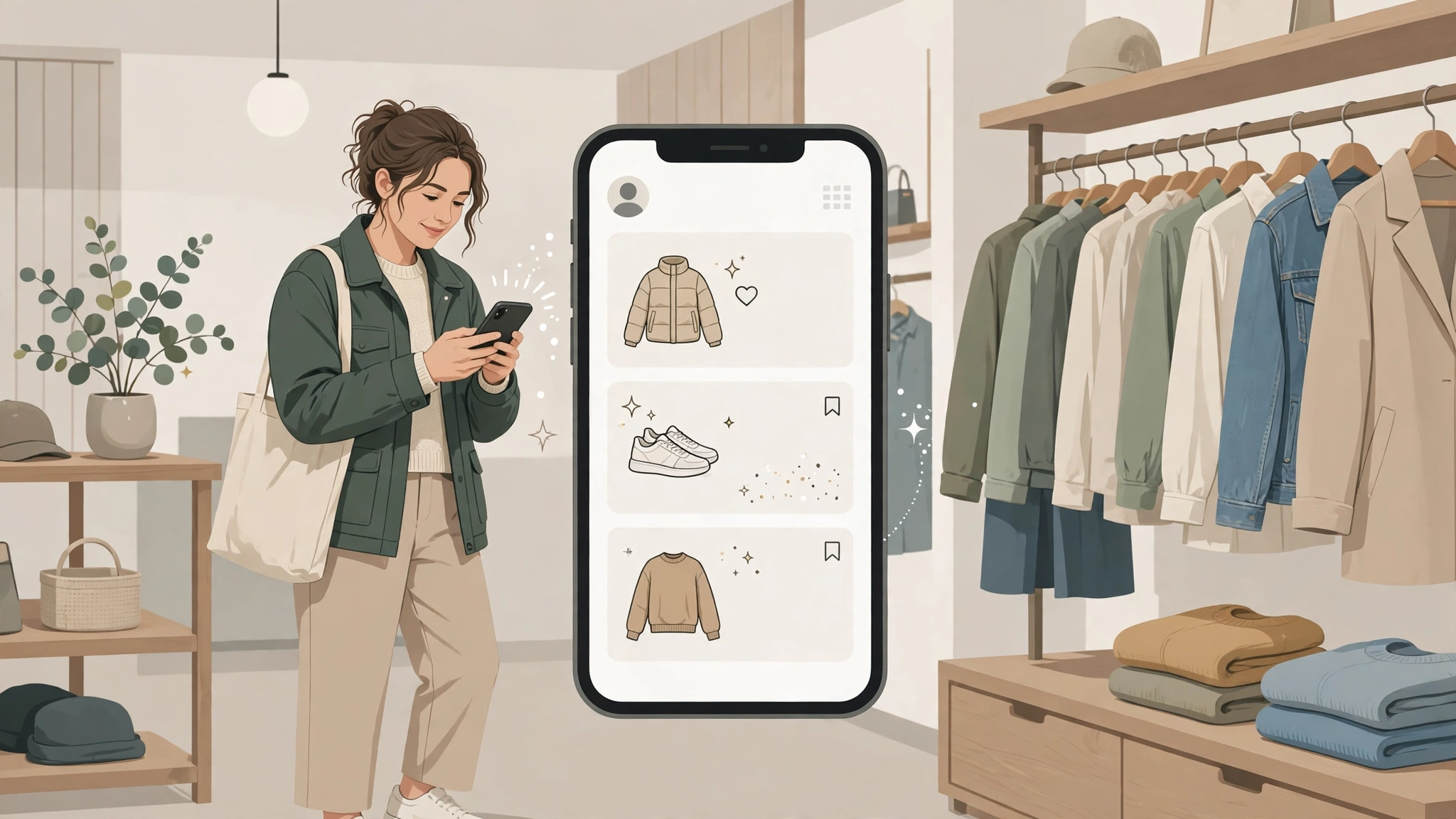
Recommendation engines are the most visible form of retail AI. They analyze what you viewed, bought, rated, and lingered on, then compare your behavior with millions of similar shoppers.
How Recommendations Are Made
Two classic techniques do most of the work. Collaborative filtering says, “shoppers like you also loved this.” Content-based filtering says, “you liked these attributes — here are more items that share them.” Modern systems blend both with real-time signals, so a gift purchase for someone else does not permanently hijack your feed — at least, that is the goal, and the systems keep improving at telling gifts apart from personal taste.
Personalization Beyond the Homepage
The same technology personalizes search results, sorts categories by your likely interests, writes subject lines tuned to your habits, and decides which discount — if any — you actually need to see. Done well, it saves you time. Done clumsily, it feels repetitive, which is why the best retailers add variety controls and “why am I seeing this?” explanations.
Smarter Inventory and Demand Forecasting
Behind the scenes, forecasting may be retail AI’s most valuable job. Stocking too much ties up cash and leads to markdowns; stocking too little means empty shelves and lost sales.
Predicting Demand Before It Happens
Forecasting models digest historical sales, seasonality, promotions, weather forecasts, and even social media buzz to predict demand per product, per store, per day. A supermarket chain can anticipate a surge in soup before a cold snap. A fashion retailer can spot a rising style early enough to reorder. The result shoppers notice is simple: the thing you came for is actually there.
Warehouses and Shelves That Organize Themselves
AI also directs warehouse robots, plans delivery routes, and tells staff which shelves to restock first. Some stores use computer vision — cameras that “see” the shelves — to flag gaps and misplaced items automatically, a job that once required slow manual audits.
Dynamic Pricing: Why Prices Move
Ever noticed a price change between morning and evening? Dynamic pricing algorithms adjust prices in response to demand, competitor prices, inventory levels, and time. Airlines pioneered this, but it now reaches ride-hailing, hotels, e-commerce, and even some physical stores with electronic shelf labels.
For shoppers, dynamic pricing is a mixed blessing. It can mean genuine bargains when demand dips, and frustrating surges when everyone wants the same item. Reputable retailers set guardrails — maximum prices, fairness rules, and no personalized price discrimination based on who you are — but the practice remains one of the most debated parts of retail AI, and regulators in several countries are watching it closely.
Chatbots and Virtual Shopping Assistants
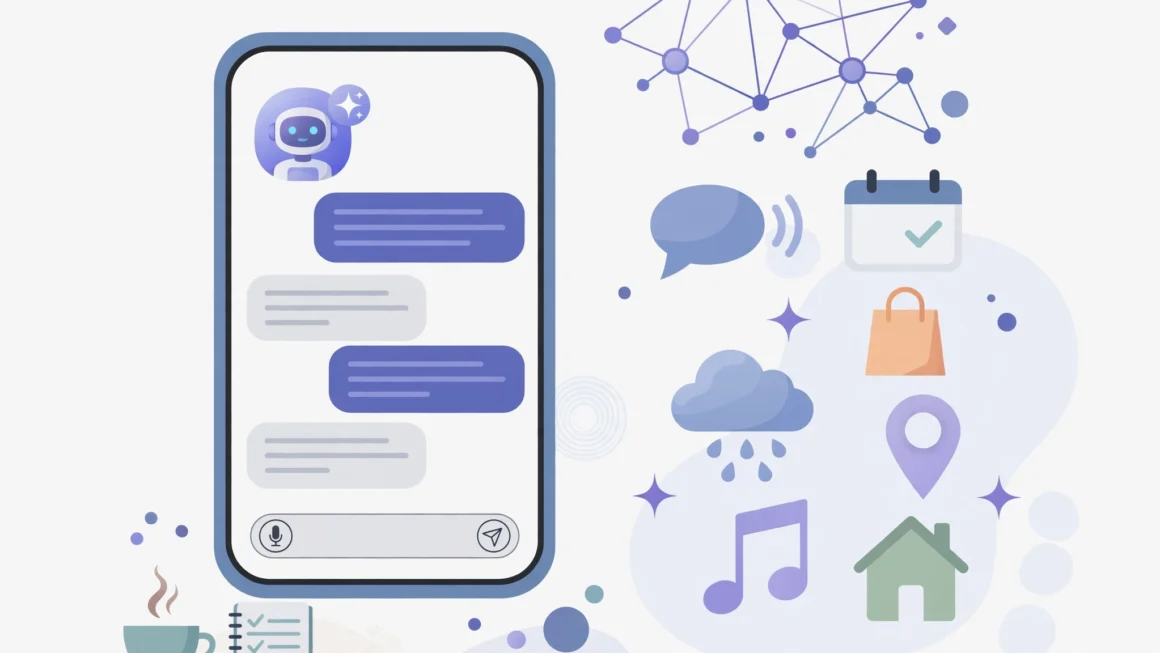
Customer service is where many shoppers meet retail AI directly. Modern chatbots, built on natural language processing, can track orders, process returns, check sizes, and recommend products in a natural conversation — instantly, at any hour.
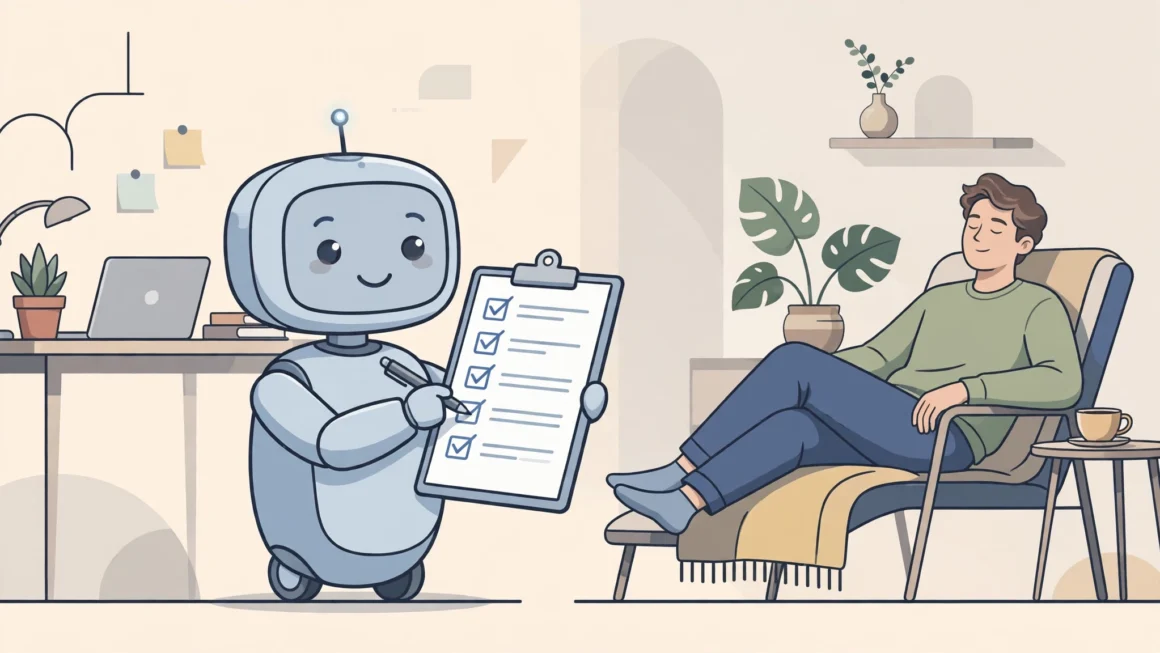
The best implementations know their limits and hand off to a human smoothly when a problem is complex or emotional. The worst trap you in loops of canned replies. Retailers increasingly blend both: AI handles the routine 80 percent, humans handle the rest. This pattern — automate the repetitive, escalate the human — is the same principle behind AI automation for small businesses, where even a two-person shop can now offer round-the-clock answers without hiring a night shift.
Voice and Visual Shopping
Two newer frontiers are growing quickly. Voice assistants let you reorder staples hands-free. Visual search lets you photograph a chair you like and instantly find where to buy it, or something close. Both rely on the same AI foundations: understanding language and recognizing images.
Checkout, Fraud Prevention, and Loss Prevention
AI works quietly at the till, too. Fraud-detection models score every transaction for risk in milliseconds, blocking stolen-card purchases while letting legitimate ones through — a balancing act that saves retailers and customers real money. Self-checkout systems use cameras to identify produce and flag scanning errors. Some large retailers experiment with “just walk out” stores, where cameras and sensors tally your basket automatically. These systems are impressive, though their cost means they will spread gradually rather than everywhere at once.
AI Inside Physical Stores
Online shopping gets most of the attention, but brick-and-mortar stores are adopting AI just as quickly — you have probably been analyzed by it without noticing.
Smart Shelves and Store Layouts
Sensors and cameras track which displays attract crowds and which aisles shoppers skip. Retailers use that foot-traffic data the way websites use click data: rearranging layouts, moving high-margin products into natural paths, and testing whether a promotion actually changed behavior or just coincided with payday. Electronic shelf labels, updated by pricing algorithms, let physical stores change prices in minutes rather than sending staff around with sticker guns.
Staffing and Service
AI scheduling tools predict a store’s busy hours and staff accordingly, so the Saturday rush meets full registers instead of a skeleton crew. In the aisles, employees carry devices that answer product questions from the same knowledge base the website chatbot uses — where an item lives, whether another branch has it, when the next shipment lands. The technology’s best trick in physical retail is invisible: making the human in front of you better informed.
Loyalty Programs: The Data Engine Underneath
None of this personalization works without data, and loyalty programs are how retailers gather it with your permission. When you scan a loyalty card or app, you are trading a detailed record of your purchases for discounts and points. That record feeds the forecasting, recommendation, and pricing systems described above.
Reading the Trade Honestly
The trade is not inherently bad — many shoppers happily exchange purchase history for lower prices and relevant offers. The problems arise when the exchange is unclear: when data is sold to brokers you have never heard of, retained forever, or used to quietly charge you more. A trustworthy program tells you what it collects, lets you see and delete your data, and gives you the discounts without demanding unrelated permissions like your contacts or precise location. Before joining, spend sixty seconds in the app’s privacy section; the programs worth joining make that section easy to find.
What Retailers Owe You
Regulators increasingly agree that personalization carries duties: security strong enough to protect the data hoard, honesty about automated pricing, and a way to shop without being profiled. Expect “why this price, why this product” explanations to become as normal on shopping sites as ingredient lists are on food packaging.
The Concerns: Privacy, Manipulation, and Jobs
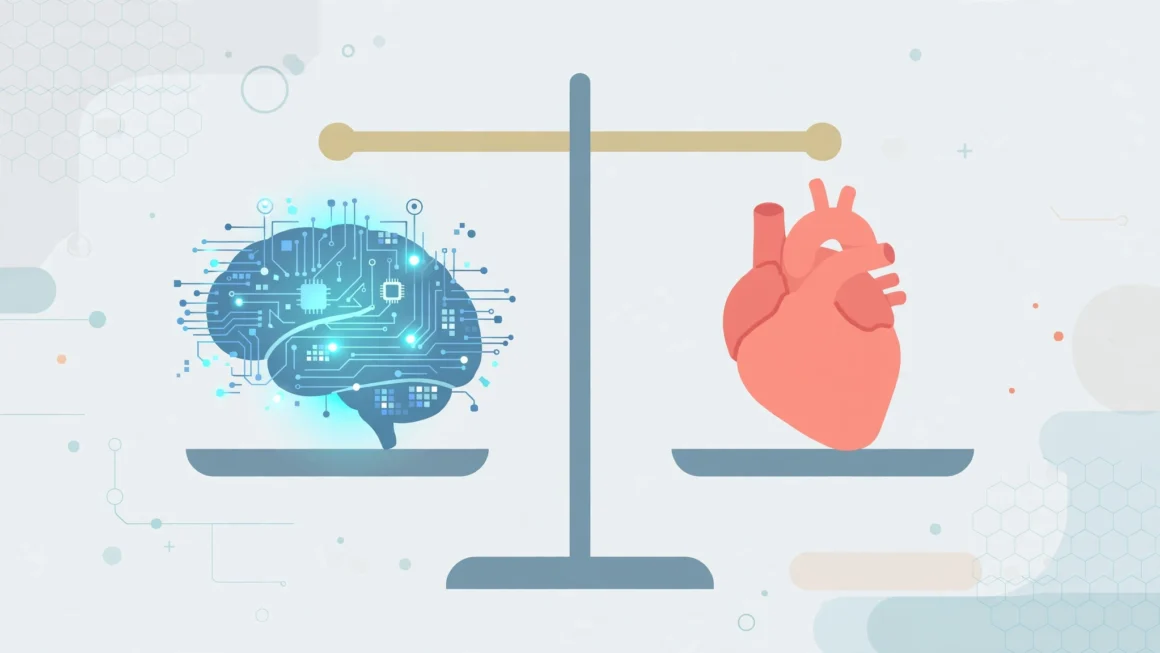
An honest guide has to name the trade-offs. Personalization runs on data — your clicks, purchases, and sometimes location — and not every company handles that data responsibly. Shoppers should check privacy settings, be skeptical of apps that demand unrelated permissions, and remember that “the algorithm made me buy it” is sometimes literally the design goal: urgency timers, scarcity messages, and one-click checkouts are engineered to convert hesitation into purchases.
There is also the workforce question. AI is automating cashier, warehouse, and support roles while creating new ones in data, maintenance, and experience design. The transition is real, uneven, and worth taking seriously rather than waving away.
How Shoppers Can Stay in Control
- Browse in private mode or logged out when you want neutral prices and recommendations.
- Review and clear your recommendation history on major platforms.
- Compare prices across retailers instead of trusting a single “deal.”
- Read what data a shopping app collects before granting permissions.
What This Means for Retail Workers
Any honest account of AI in retail has to address the people behind the counter. The picture is more nuanced than “robots take jobs.”
Tasks Change Before Jobs Disappear
In most stores, AI has absorbed specific tasks — counting stock, answering routine questions, building schedules — rather than entire roles. The cashier becomes a service host who handles exceptions and helps customers the machines cannot. The stockroom associate supervises robots and fixes their mistakes. These hybrid roles demand new skills, and retailers that invest in retraining keep experienced staff whose product knowledge no model has.
Where the Pressure Is Real
That said, automation does reduce total hours in some functions, particularly checkout and basic customer support, and entry-level positions are often the first affected. The fair summary is transition, not apocalypse: the industry is shifting labor from repetitive processing toward service, expertise, and exception-handling. Workers and employers who treat AI skills as part of the job — learning to operate, supervise, and correct these systems — are positioning themselves on the safer side of that shift.
Frequently Asked Questions
How does a store know what to recommend to me?
Recommendation systems track your behavior on the site — searches, views, purchases, ratings — and compare it with patterns from similar shoppers. If people who bought what you bought also loved a third item, that item gets recommended to you. You can usually reset or pause this history in your account settings.
Does AI set different prices for different people?
Prices commonly change with demand, time, and inventory, which affects everyone. Truly personalized pricing — charging you more because of who you are — is rare, controversial, and restricted in some places, but opaque pricing practices are a legitimate reason to compare across stores before buying.
Can small shops afford AI, or is it only for giants?
Small retailers increasingly access AI through their platforms rather than building it: e-commerce hosts bundle recommendations and forecasting, and chatbot tools are available as affordable subscriptions. The technology has shifted from a corporate luxury to a standard feature of mainstream retail software.
The Bottom Line
AI in retail is not a robot greeter at the door; it is the invisible machinery that stocks the shelf, writes the recommendation, sets the price, and answers your midnight question. For shoppers, the benefits are convenience, availability, and discovery. The costs are data and a measure of control, which you can reclaim with a few deliberate habits. Retail has always been about understanding customers — AI simply lets stores attempt it at a scale no human shopkeeper could match, for better and occasionally for worse.