The Evolution Of Liquidity Beyond Centralized Exchange Models
The cryptocurrency market has evolved from a niche interest for tech enthusiasts into a multi-trillion dollar global industry. Central to this transformation is the crypto exchange—the digital gateway that allows users to buy, sell, and trade digital assets. Whether you are a seasoned investor or a newcomer looking to purchase your first Bitcoin, understanding how these platforms operate is the foundational step toward navigating the world of decentralized finance. With thousands of platforms available, selecting the right exchange requires balancing security, liquidity, and user experience.
Understanding Crypto Exchange Fundamentals
What is a Crypto Exchange?
A cryptocurrency exchange is a digital marketplace where users can trade cryptocurrencies for other assets, such as conventional fiat money (USD, EUR) or other digital currencies (altcoins). Think of these platforms as the stock market for the blockchain era, providing the infrastructure necessary for price discovery and trade execution.
Types of Exchanges
Not all platforms serve the same purpose. Understanding the distinction is vital for your trading strategy:
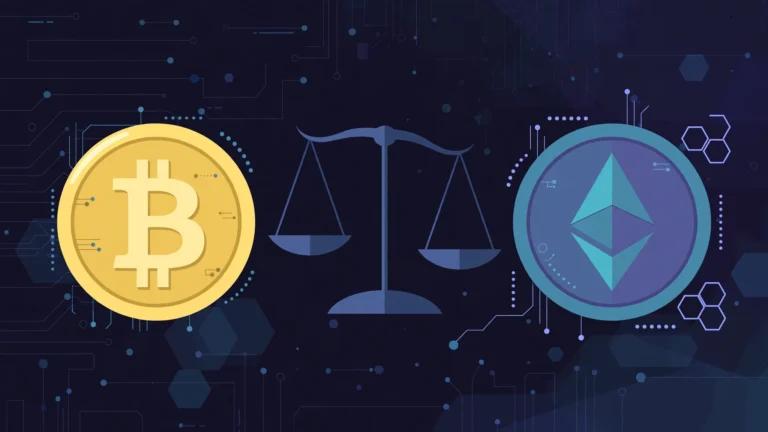
- Centralized Exchanges (CEX): Operated by a third-party company (e.g., Coinbase, Binance). They act as intermediaries, holding user funds in custody.
- Decentralized Exchanges (DEX): Run on smart contracts without a central authority (e.g., Uniswap). Users retain control of their private keys and trade peer-to-peer.
- Hybrid Exchanges: Combine features of CEXs for user-friendliness and DEXs for security and decentralization.
Key Factors for Choosing the Right Platform
Security Measures and Regulatory Compliance
Security is non-negotiable. Before depositing funds, verify the exchange’s commitment to safety:
- Two-Factor Authentication (2FA): Ensure the platform supports hardware keys or authenticator apps.
- Cold Storage: Reputable exchanges hold the vast majority of user assets in offline “cold” wallets, away from internet-connected hackers.
- Regulatory Status: Check if the exchange is registered with financial authorities in your jurisdiction (e.g., FinCEN in the US or FCA in the UK).
Fees and Trading Costs
Exchange fee structures can vary significantly and impact your profitability over time. Look for transparency regarding:
- Maker/Taker Fees: Most exchanges charge different rates based on whether you add liquidity (Maker) or remove it (Taker).
- Deposit/Withdrawal Fees: Some platforms charge for moving fiat money in or out, which can be expensive for frequent traders.
- Spread Costs: The difference between the buy and sell price of an asset, which functions as an indirect fee.
Getting Started: Your First Transaction
Account Creation and Verification
Most centralized exchanges adhere to Know Your Customer (KYC) regulations. The process typically involves:
- Registering with a verified email address.
- Submitting government-issued identification (Passport or Driver’s License).
- Completing a “liveness check,” such as a selfie video, to verify your identity.
Executing a Buy Order
Once your account is funded via bank transfer or credit card, you can place an order. Pro Tip: Beginners should use a “Market Order” for simplicity, which executes immediately at the current price, while experienced traders use “Limit Orders” to specify the exact price at which they wish to buy.
Advanced Trading Tools and Features
Staking and Yield Generation
Many exchanges now act as hubs for earning passive income. Through “Staking,” you can lock your crypto assets to support the network’s operations and receive rewards in return. This is similar to a high-yield savings account in the traditional banking world.
Margin and Futures Trading
For advanced users, exchanges offer:
- Margin Trading: Borrowing funds to increase your trading position size.
- Futures Contracts: Agreements to buy or sell an asset at a predetermined price on a future date, often used for hedging against market volatility.
Note: These features involve significant risk and should only be utilized by those with a deep understanding of market dynamics.
Best Practices for Crypto Safety
The Importance of Self-Custody
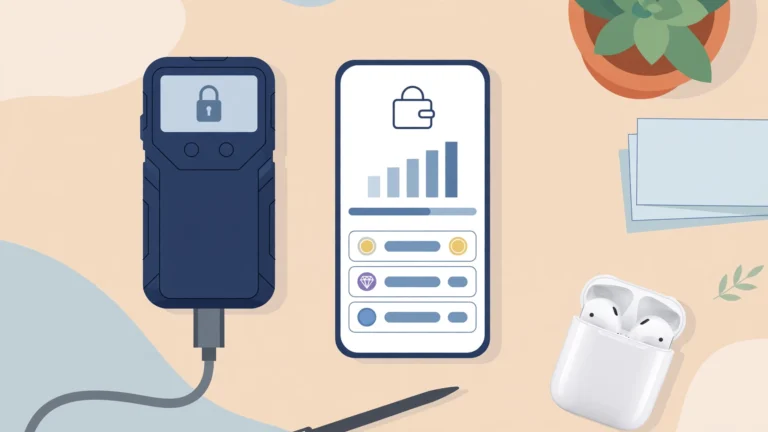
A famous mantra in the crypto community is, “Not your keys, not your coins.” While exchanges are useful for trading, it is generally recommended to move long-term holdings into a hardware wallet (like Ledger or Trezor). This gives you total ownership and protects your assets from exchange-specific risks like technical hacks or insolvency.
Phishing Prevention
- Always bookmark the official URL of your exchange.
- Never share your seed phrase or private keys with anyone.
- Be cautious of “support” agents contacting you via social media—legitimate platforms will never ask for your password or recovery phrase.
Conclusion
Navigating crypto exchanges is a critical skill for anyone looking to participate in the digital asset economy. By prioritizing platforms with robust security, competitive fee structures, and transparent regulatory standing, you can protect your capital while exploring the vast opportunities within the market. Remember that while exchanges provide the tools to trade, the responsibility for your long-term asset security ultimately rests with you. Start small, conduct thorough research, and always prioritize security over convenience as you build your crypto portfolio.